Comparing Layer 1 and Layer 2 Blockchains: A Comprehensive Guide
Table of Contents

Explore the key differences between Layer 1 and Layer 2 blockchains in our comprehensive guide, essential for blockchain enthusiasts and investors alike.
When diving into the blockchain world, discussions often revolve around layer 1 and layer 2 solutions. Understanding these layers is crucial for anyone interested in blockchain technology or crypto investments. Layer 1 blockchains, like Bitcoin and Ethereum, form the foundation, providing the core network's operations and security. Layer 2 solutions, on the other hand, build on these foundations to enhance scalability and efficiency. This guide will explore the differences, strengths, and roles of each, and explain why layer 2 solutions have become indispensable in the blockchain ecosystem.
Understanding Layer 1 Blockchains
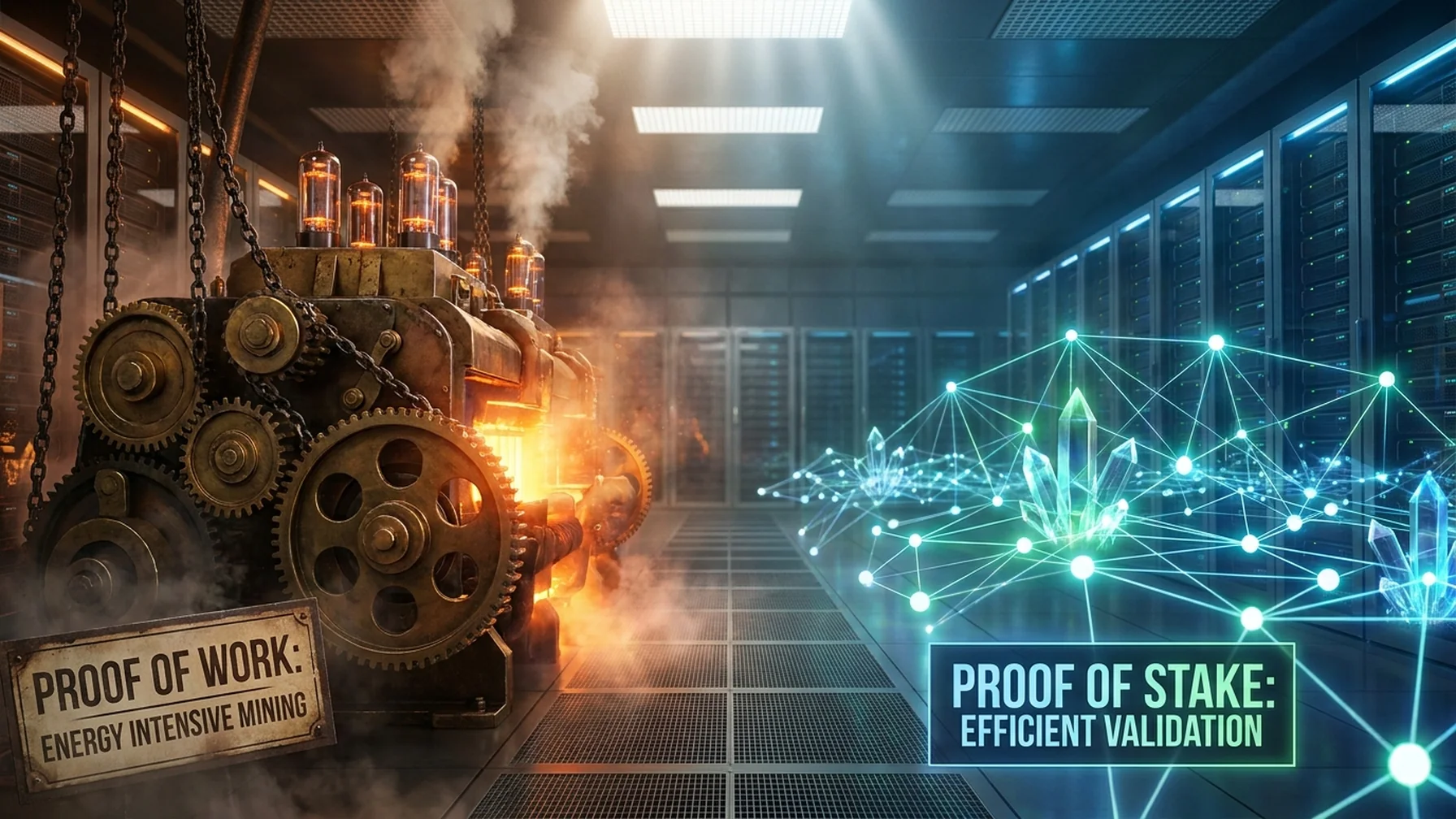
Layer 1 blockchains are the main networks in the cryptocurrency ecosystem. They are responsible for the primary operations, including transaction processing and network security. Prominent examples include Bitcoin, which uses Proof of Work (PoW), and Ethereum, transitioning to Proof of Stake (PoS) with Ethereum 2.0. PoW involves solving complex puzzles to validate transactions, while PoS uses validators staking coins to secure the network. Although robust, layer 1 blockchains face scalability issues, limiting their transaction throughput.
For instance, Bitcoin's network can only process around 7 transactions per second, which is significantly lower compared to traditional financial systems like Visa. Thus, during peak times, this limitation can lead to high transaction fees and slow processing times, emphasizing the need for layer 2 solutions.
The Role of Layer 2 Solutions
Layer 2 solutions are designed to tackle the scalability and efficiency challenges inherent in layer 1 blockchains. They process transactions off the main chain, reducing congestion and enhancing speed. By doing so, they enable faster and cheaper transactions while leveraging the security of the underlying layer 1 blockchain.
An example is the Ethereum Layer 2 solution, which uses rollups to bundle multiple transactions off-chain before submitting a single proof to the main chain. This method significantly boosts throughput. Projects like the Lightning Network for Bitcoin also exemplify layer 2 solutions, enabling instant, low-cost transactions by establishing off-chain payment channels.
Layer 1 vs Layer 2: Key Differences
Several key differences emerge when comparing layer 1 and layer 2 blockchains:
- Scalability: Layer 1 blockchains have inherent limits, while layer 2 solutions enhance scalability by processing transactions off-chain.
- Transaction Speed: Layer 2 solutions provide faster transaction processing than layer 1 blockchains due to reduced network congestion.
- Security: Layer 1 blockchains offer strong security, which layer 2 solutions utilize to maintain trust and integrity.
- Complexity: Layer 2 can introduce extra complexity in network structure and user interaction.
- Cost: Transactions on layer 1 can be expensive during peak times, while layer 2 solutions often reduce these costs significantly.
These differences highlight the growing importance of layer 2 solutions as blockchain application demand increases.
Why Are Layer 2 Networks Needed?
Layer 2 networks are crucial for overcoming the limitations of layer 1 blockchains. The surge in decentralized applications (dApps) and smart contracts has heightened the need for efficient and scalable solutions. Layer 2 networks provide a practical method to manage increased transaction volumes without compromising speed or cost-effectiveness.
For example, during the DeFi boom, Ethereum's network faced severe congestion, with transaction fees skyrocketing. Layer 2 networks like Optimism and Arbitrum have since been instrumental in alleviating this by offering users a cheaper and faster transaction alternative.
Deep Dive into Strategy: Implementing Layer 2 Solutions
Implementing layer 2 solutions requires a strategic approach. Here’s a step-by-step guide:
- Identify the Need: Assess the scalability issues on your mainnet. If transaction fees are high and speeds are low, it's time to consider layer 2 solutions.
- Select a Suitable Layer 2 Solution: Choose based on your blockchain's needs. For Ethereum, consider rollups like ZK-rollups or Optimistic rollups.
- Integrate the Solution: Start by testing the layer 2 solution on a testnet. Ensure compatibility with your existing systems and address any integration issues.
- Educate Users: Provide clear instructions and resources for users to transition smoothly to the new layer 2 solution.
- Monitor Performance: Regularly check transaction speeds and costs to ensure the layer 2 solution meets your scalability goals.
For instance, the integration of the Lightning Network on Bitcoin has allowed for microtransactions, which were previously impractical due to high fees on the mainnet.
Common Mistakes in Implementing Layer 2 Solutions
Implementing layer 2 solutions can come with pitfalls. Here are some common mistakes and how to avoid them:
- Rushing Deployment: Skipping thorough testing can lead to vulnerabilities. Always conduct comprehensive tests on a testnet before full deployment.
- Overlooking User Education: Users may struggle with new interfaces. Provide tutorials and support to ease the transition.
- Ignoring Security Concerns: Layer 2 solutions can introduce new attack vectors. Regular audits and updates are crucial to maintain security.
In 2022, a prominent DeFi platform experienced a security breach after an hasty layer 2 deployment, emphasizing the need for careful planning and testing.
The Future of Layer 1 and Layer 2 Blockchains
The evolution of blockchain technology depends on the synergy between layer 1 and layer 2 solutions. As blockchain projects develop, we expect further innovations to enhance the efficiency and functionality of these networks.
Future advancements may focus on improving interoperability between different layer 1 blockchains and their corresponding layer 2 solutions, reducing friction for users and developers alike. This progress is crucial to ensure blockchain technology remains viable and competitive in the digital landscape.
In summary, understanding the differences and synergies between layer 1 and layer 2 blockchains is essential for anyone exploring the crypto and blockchain space. As technology advances, these layers will continue to play pivotal roles in shaping the future of decentralized systems.